












- From the Blog
Supporting the metal fabricating industry through FMA

- By Dan Davis
The Fabricators and Manufacturers Association’s board chair provides a look at his tenure and some of the reasons why he enjoys the role so much.




Exclusive to Members
- From the Fabrinomics Newsletter

Economic Mood: How Long Does This Last?
Does the global economy deliberately seek to make a fool of economists, or do we do a great job of this on our own? For the past two years there has been an expectation of doom and gloom. We were convinced that recession was imminent in 2023, but every quarter saw remarkable growth in the …



Fabrinomics® is an official publication of the Fabricators and Manufacturers Association and is available exclusively for members. Join FMA.
-

- From The Welder
- Industry News
- JM Steel triples capacity for solar energy projects at Pennsylvania facility
- Greenheck to establish corporate campus in Tennessee
- Robotic welding sets up small-batch manufacturer for future growth
- O’Neal Manufacturing Services Pittsburgh receives award from GE Vernova
- Woodward Inc. announces Pennsylvania expansion
- SMI elects president, executive officers
- Lexicon earns five safety awards from AISC
- Linetec adds to operations team
- Rocklin Manufacturing celebrates 90th anniversary
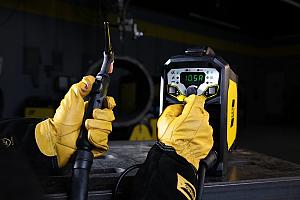
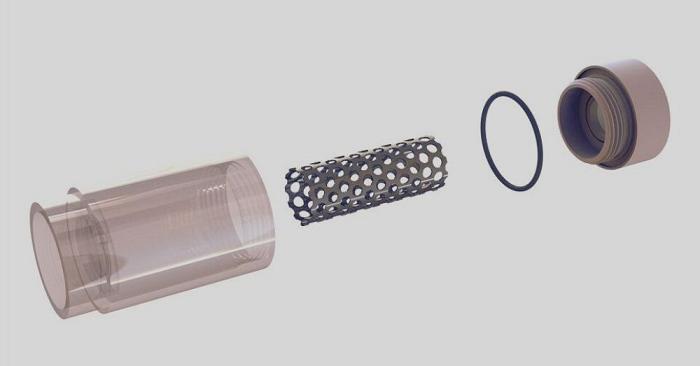
- Compact weld camera monitors TIG, plasma processes
- Podcasting

In this episode of The Fabricator Podcast, Caleb Chamberlain, co-founder and CEO of OSH Cut, discusses his company’s...
- Latest from Our Publications

-

- From The Fabricator
Alinabal Group names VP of sales and business development
Alinabal Group, a company of precision manufacturers in Milford, Conn., has hired Bill Richards as vice president of sales and business development.
-
- From The Fabricator
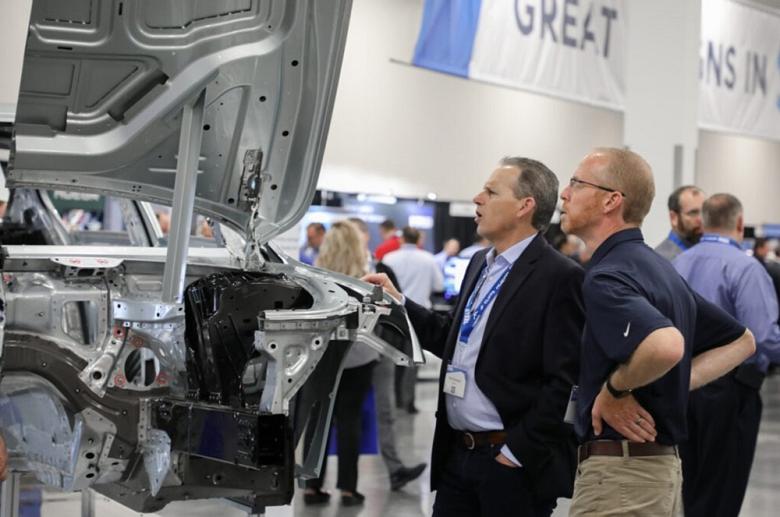
The 22nd annual Great Designs in Steel symposium returns May 22
The 22nd annual Great Designs in Steel symposium (GDIS), hosted by the American Iron and Steel Institute (AISI), will take place May 22, 2024, at Suburban Collection Showplace in Novi, Mich.
-
- From The Fabricator
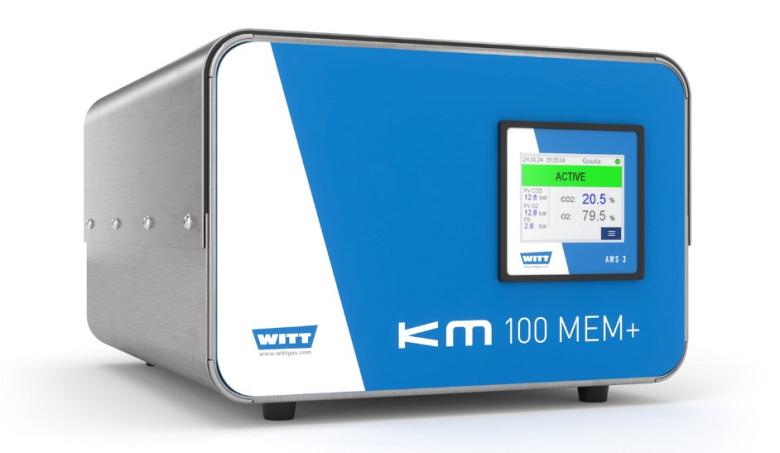
Gas mixer delivers precise mixture adjustments quickly for laser welding
The latest iteration of Witt’s MEM+ gas mixer offers a choice of seven interfaces to integrate into existing laser welding machines and other equipment using protective or process gases.
-
- From The Fabricator

Omco Solar opens second Alabama manufacturing facility
Phoenix-based custom roll former Omco Solar, a manufacturer of steel structures for solar panels, has invested more than $10 million into its second production facility in Huntsville, Ala.
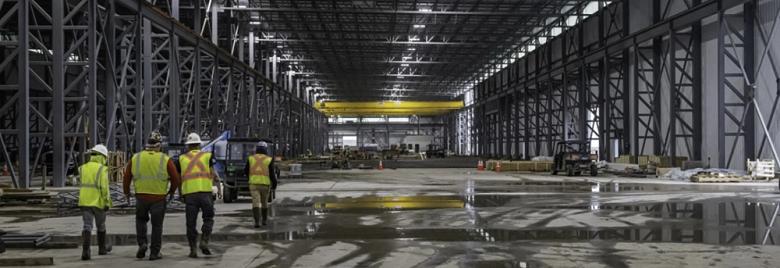
Zekelman Industries to invest $120 million in Arkansas expansion
Independent steel pipe and tube manufacturer Zekelman Industries will invest up to $120 million to expand the manufacturing capabilities and product offerings of its subsidiary, Atlas Tube, in Blytheville, Ark. The project will allow the company to manufacture inline steel tube galvanizing...

HGG Profiling Equipment names area sales manager
HGG Profiling Equipment BV has named Mark Eastin as area sales manager for the western U.S., western Canada, Alaska, and Hawaii.
-
- From The Fabricator
Master Steel expands in South Carolina
Structural and miscellaneous steel fabricator Master Steel LLC has announced the $10 million expansion of its operations in Hardeeville, S.C
Benteler announces $21 million Louisiana expansion
Benteler Steel/Tube Manufacturing Corp. has announced plans to expand its presence in Shreveport, La., with the construction of a threading facility for hot-rolled seamless steel tubes. The $21 million investment, which is expected to create 49 direct jobs, will allow the company to streamline...
-
- From The Fabricator

Wilson Tool names CCO
Wilson Tool Intl., a manufacturer of tooling systems for punch presses and press brakes, has appointed Jason Semerad as CCO.
-
- From The Fabricator
L3Harris to create 80 jobs in Virginia
L3Harris Technologies has announced expansion plans to increase domestic production of solid rocket motors for national security. Most of the $41.2 million investment will come from the cooperative agreement that Aerojet Rocketdyne, an L3Harris company, signed with the Defense Department in 2023....
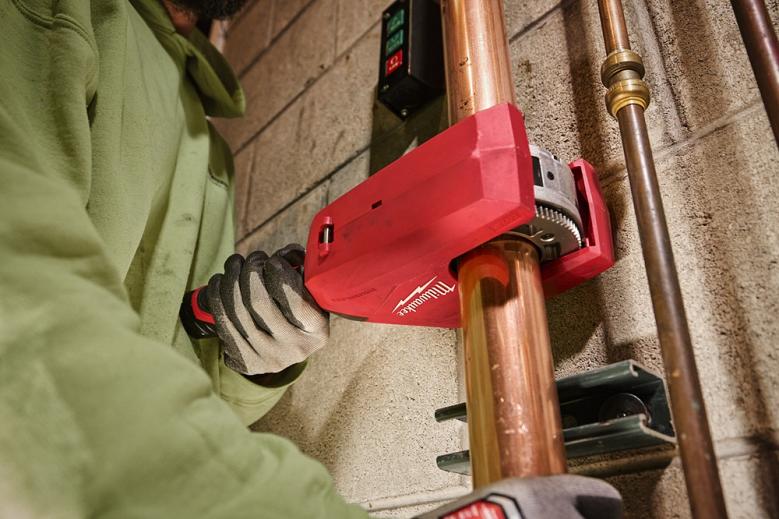
Brushless copper tubing cutter adjusts to ODs up to 2-1/8 in.
Milwaukee has introduced the new M12 brushless 1-1/4- to 2-in. copper tubing cutter.
-
- From The Fabricator

Mid Atlantic Machinery regional sales manager retires
Mid Atlantic Machinery has announced the retirement of Dave Wetzel, regional sales manager for eastern Pennsylvania. He has been with the company since 2006.
-
- From The Fabricator
Economic activity predicted to be steady as workforce expansion slows, says report
Metal forming manufacturers predict little change in economic activity over the next three months, a trend that has held steady since the start of the year, according to the April 2024 Precision Metalforming Association Business Conditions Report. Prepared monthly, the report provides an economic...
-
- From The Fabricator
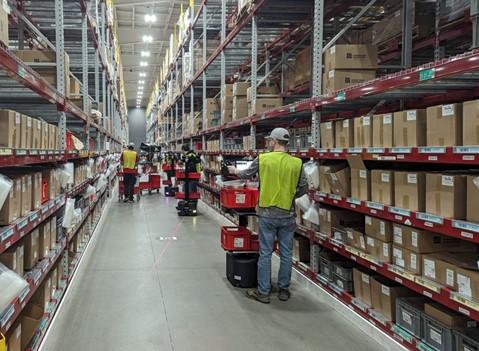
Hypertherm Associates implements Rapyuta Robotics AMRs in warehouse
Hanover, N.H.-based Hypertherm Associates, a manufacturer of industrial cutting systems and software, has implemented Rapyuta Robotics pick-assist autonomous mobile robots (AMRs) in its warehousing operation.
-
- From The Fabricator
Netform announces merger with Vickers Engineering
Netform, a Torque Capital Group portfolio company, has completed its merger with Vickers Engineering Inc.
subscribe now
The Fabricator is North America's leading magazine for the metal forming and fabricating industry. The magazine delivers the news, technical articles, and case histories that enable fabricators to do their jobs more efficiently. The Fabricator has served the industry since 1970.
start your free subscription