









- From the Blog
Material handling automation moves forward at MODEX

- By Tim Heston
Automated guided vehicles, autonomous mobile robots, and even mobile manipulation robots took center stage at MODEX. The technology hints at what the future fab shop could look like.



Exclusive to Members
- From the Fabrinomics Newsletter

Economic Mood: How Long Does This Last?
Does the global economy deliberately seek to make a fool of economists, or do we do a great job of this on our own? For the past two years there has been an expectation of doom and gloom. We were convinced that recession was imminent in 2023, but every quarter saw remarkable growth in the …



Fabrinomics® is an official publication of the Fabricators and Manufacturers Association and is available exclusively for members. Join FMA.
-

- From The Fabricator
- Industry News
- Tecoi USA, Gladwin Machinery announce strategic distributor partnership
- BZI opens Iron Depot store in Utah
- Connecticut students compete in Maritime Welding Competition
- Midwest Technical Institute announces 2024 High School Welding Competition winners
- Miscellaneous metals fabricator increases productivity and opportunity with plasma cutting
- Welding power source’s modes designed to help optimize performance
- Thermo King builds South Carolina plant
- IMI names regional manager for Mid-Atlantic states
- JR Machine expands capabilities in Wisconsin
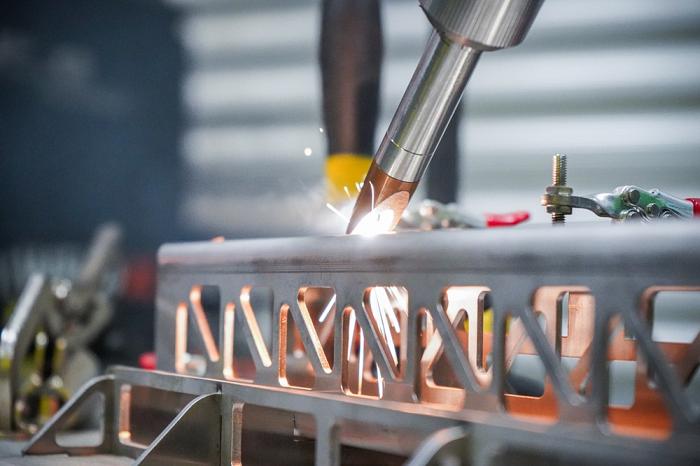
- Torch made for welding thin, conductive sheet metal
- Podcasting

Seth Feldman of Iowa-based Wertzbaugher Services joins The Fabricator Podcast to offer his take as a Gen Zer...
- Latest from Our Publications
Sponsored Content

Managing Dangerous Dusts from Metalworking
This webinar will discuss the different types of airborne dusts produced when manufacturing assemblies using metalworking methods. We will discuss issues with poor indoor air quality, combustible dusts, and toxic dusts. We will also cover the various metalworking applications that generate airborne dust including thermal cutting (Laser and Plasma), production and fabrication welding, robotic welding and thermal spray. Last, we will explain the available filtration options to ensure safety, improve air quality in your manufacturing facility and comply with the relevant safety standards.
-
- From The Fabricator

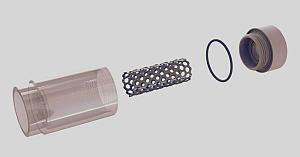
Compact dust collector handles multiple manufacturing applications
Donaldson Co. Inc. has released the Downflo Evolution Pre-assembled (DFPRE) Small dust collector, a compact filtration system for multiple manufacturing applications.
-
- From The Fabricator

Precision Press Brake Certificate Course
This comprehensive workshop delves into the theory and mathematical principles underpinning press brake operations, equipping you with the expertise to master this machinery. Through engaging instruction and practical exercises, you'll gain insight into the intricacies of quality sheet metal...
-
- From The Fabricator
Century Fasteners names sales managers
Century Fasteners Corp., Elmhurst, N.Y., a distributor of fastener and nonfastener components, has hired Michael Finelli as corporate sales training manager and promoted Christopher Hussey to general manager, Southeast sales.
-
- From The Fabricator

Wrightform Ltd. welcomes visitors to open house events
Subcontract engineering company Wrightform Ltd. welcomed guests and customers to open house events throughout April at its facility in Eye, Suffolk, U.K.
-
- From The Fabricator
Manufacturing industry optimism on the rise, survey says
As concerns about a potential recession are subsiding in early 2024 and the economy continues to experience better-than-expected growth, manufacturers’ optimism of business prospects over the next six months has increased.
-
- From The Fabricator
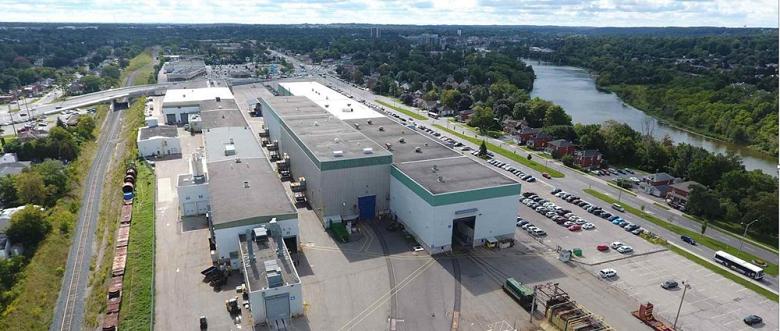
BWXT to expand Ontario manufacturing plant
BWX Technologies Inc. has announced plans to expand its Cambridge, Ont., nuclear commercial manufacturing plant.
-
- From The Fabricator
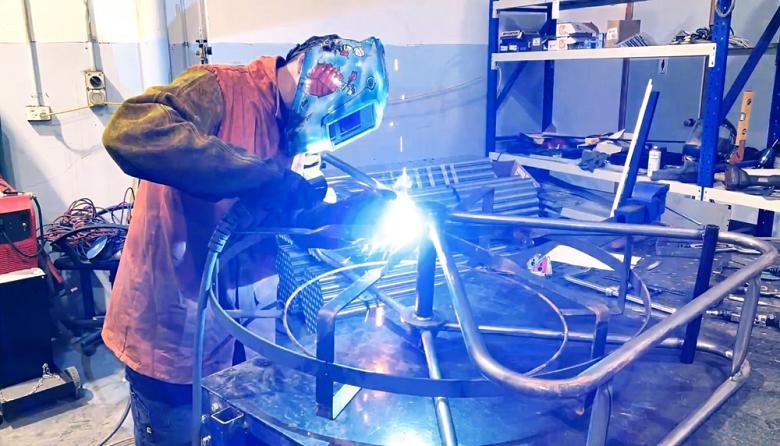
MRP software tops list of essentials for metal fabricator
Australia-based metal fabricator Aston Precision chose MRPeasy even before moving to its first warehouse.
-
- From The Fabricator
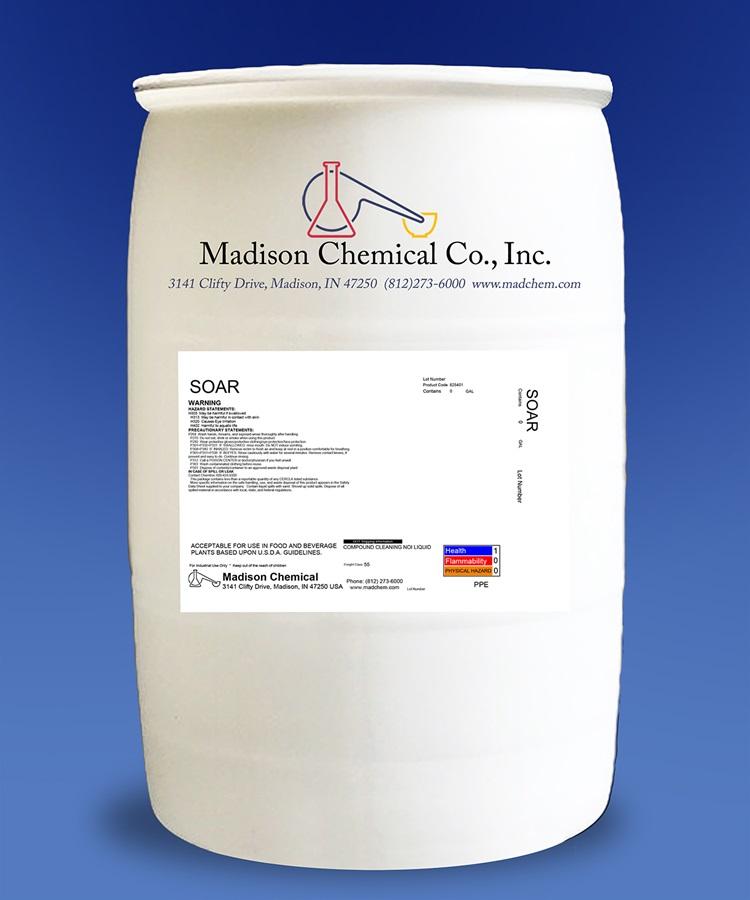
Cleaner removes stains and rust without harsh fumes
Madison Chemical has introduced Soar HF, a high-foaming, liquid acidic cleaner designed to penetrate and remove rust, oxides, calcium carbonate, and other types of scale, stains, and deposits without harmful fumes.
-
- From The Fabricator
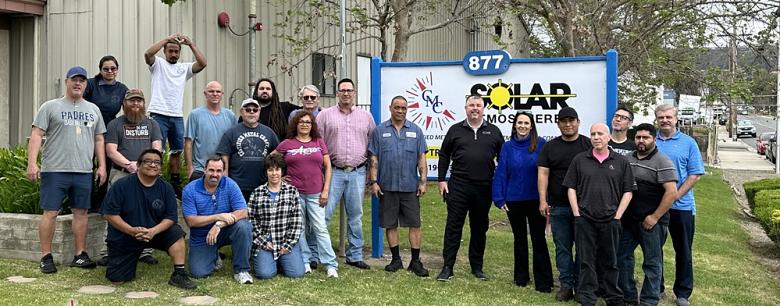
Solar Atmospheres acquires Certified Metal Craft Inc.
Solar Atmospheres Inc. has announced its acquisition of Certified Metal Craft, a provider of heat-treating and brazing services in El Cajon, Calif. With the addition of CMC to the Solar family of companies, CMC establishes Solar’s sixth nationwide location and bolsters its West Coast presence....
-

- From The Welder
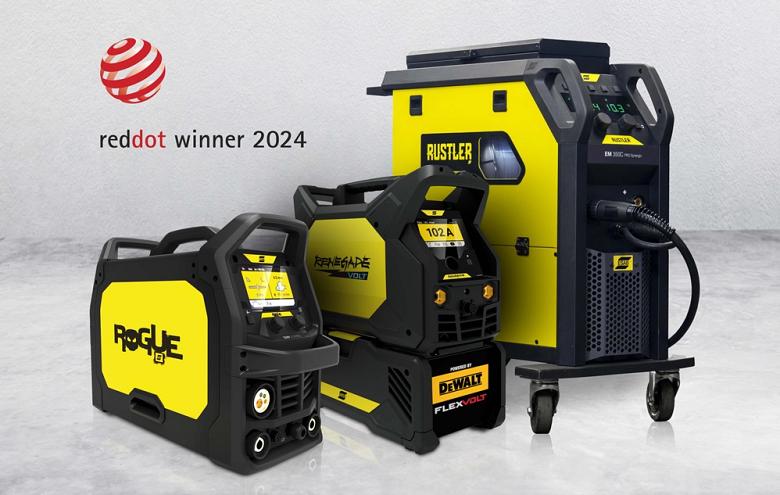
Three ESAB welding machines win Red Dot Awards for product design
ESAB Corp., North Bethesda, Md., has announced that three of its welding machines have received the 2024 Red Dot Award for product design.
-
- From The Fabricator
Ulbrich of Illinois installs stainless coil slitting and automatic pack line
Strip service center Ulbrich of Illinois, Alsip, Ill., has added a Braner/Loopco Hi-Performance Turret Head slitting and packaging line for processing surface-critical stainless coil in gauges from 0.020 to 0.187 in.
-
- From The Fabricator
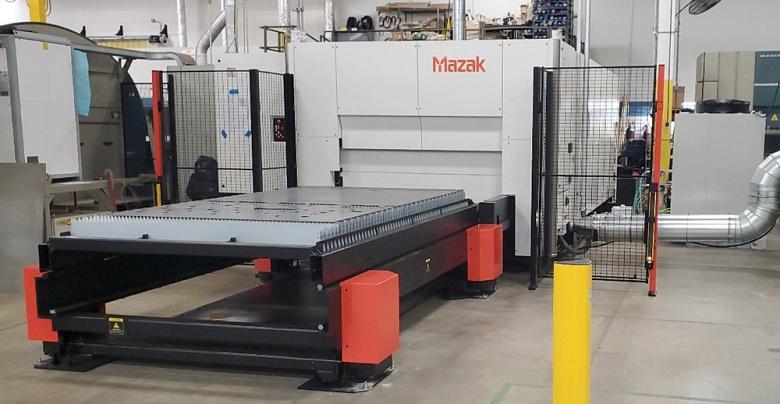
Ultra Tool and Manufacturing adds 2D laser system
Ultra Tool and Manufacturing, a fabricator of customized precision parts and prototypes and precision metal stampings, has installed a Mazak Optiplex 3015 NEO 7kW at its facility in Germantown, Wis. The 2D variable-beam fiber laser system offers high-speed cutting in a variety of metals. Beam...
-
- From The Welder
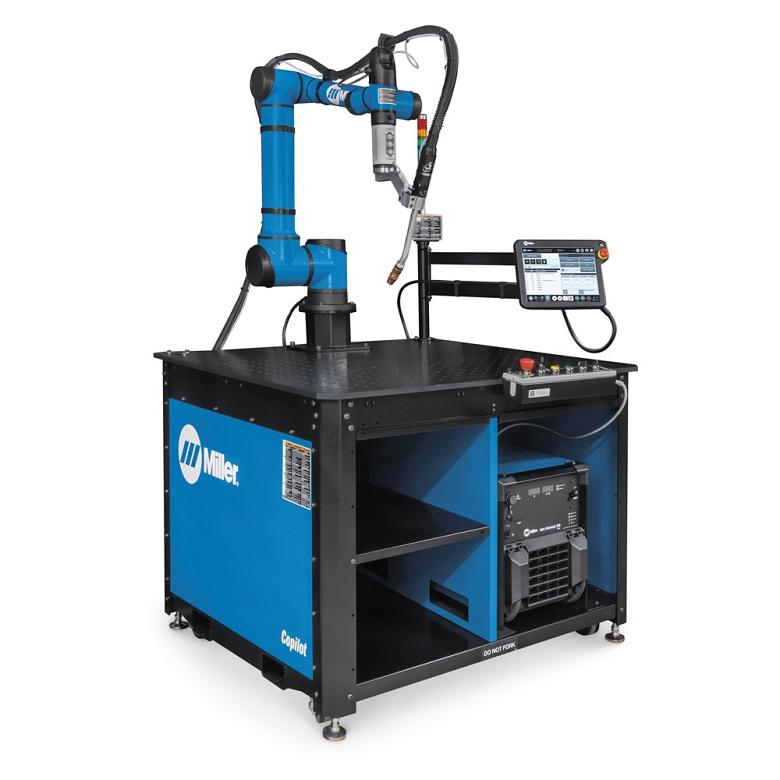
Power source added to cobot welding system for simplified automation
Miller Electric Mfg. LLC has announced that the Copilot collaborative robotic welding system now features the new Auto Deltaweld as its welding power source.
-
- From The Welder
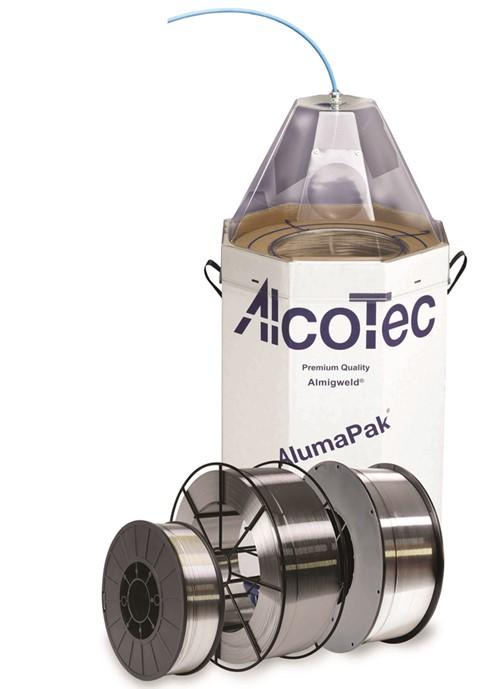
Aluminum MIG wires offer smooth feeding, reduced tangling
AlcoTec, an ESAB brand, has upgraded all its 4043 and 4047 aluminum MIG welding wire products with a proprietary surface treatment technology.
subscribe now
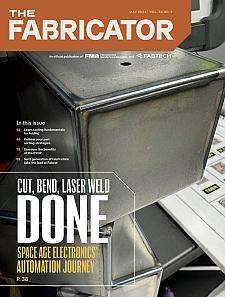
The Fabricator is North America's leading magazine for the metal forming and fabricating industry. The magazine delivers the news, technical articles, and case histories that enable fabricators to do their jobs more efficiently. The Fabricator has served the industry since 1970.
start your free subscription